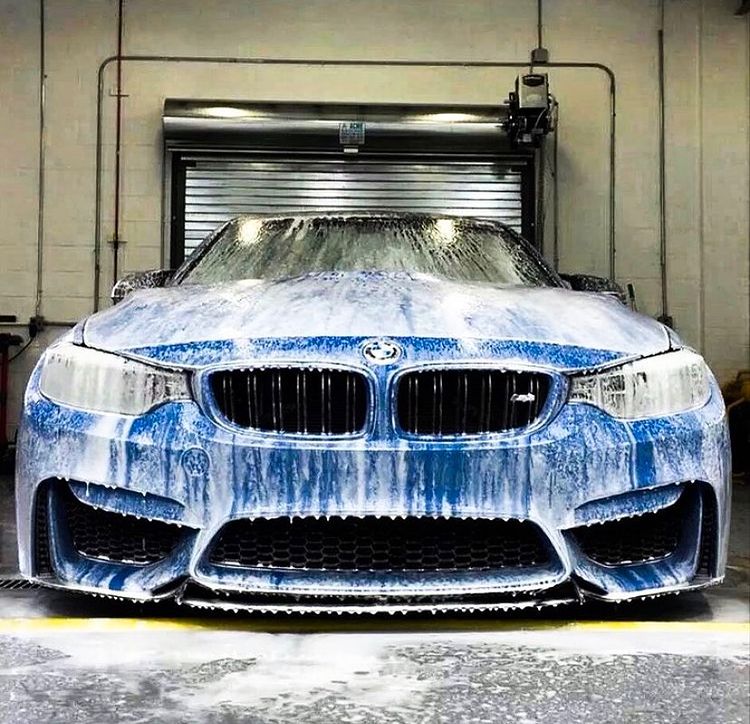
- Intriguing patterns emerge alongside shinywild creations in digital aesthetics
- The Allure of Digital Luminescence
- Constructing Virtual Brilliance: Techniques and Tools
- The Influence of Sci-Fi and Fantasy Aesthetics
- Elements of Fantasy and Sci-Fi in Modern Digital Art
- The Role of Generative Art and AI
- Navigating the Ethical Considerations of AI-Generated Art
- Beyond Visual Appeal: Emotional Resonance and Storytelling
- The Future of Immersive Digital Experiences
Intriguing patterns emerge alongside shinywild creations in digital aesthetics
The digital landscape is constantly evolving, with new aesthetic trends emerging and reshaping how we perceive and interact with online content. Among these evolving styles, the creations associated with shinywild have begun to garner attention, demonstrating a unique blend of artistry and technological innovation. This emergence isn’t simply about visual appeal; it represents a shift in the underlying principles guiding digital design, prioritizing immersive experiences and a captivating interplay of light, color, and form. The influence extends beyond individual artworks, impacting broader design philosophies and influencing creative endeavors across multiple platforms.
These aesthetic patterns, often characterized by vibrant hues, complex textures, and a sense of otherworldly beauty, are more than just surface-level embellishments. They signal a deeper exploration of digital materiality, a questioning of the boundaries between the real and the virtual, and a re-evaluation of the role of technology in artistic expression. The growing interest in such designs urges us to consider the cultural implications of digital art and its capacity to evoke emotion, spark imagination, and foster community. It's a space where innovation and artistic vision coalesce, leading to genuinely compelling and thought-provoking results.
The Allure of Digital Luminescence
Digital luminescence, as a core element within related aesthetics, refers to the simulated glow and illumination within digital art. It’s an effect achieved through gradients, bloom effects, and sophisticated rendering techniques, aiming to mimic the way light interacts with surfaces in the physical world. This curated illumination isn’t merely a technical feat; it’s a deliberate artistic choice designed to attract the eye, create a sense of depth, and evoke specific emotions. The use of this effect actively draws the viewer into the digital space, fostering an immersive experience that transcends the limitations of traditional media. It’s a key component in generating the visually striking quality often associated with these emerging styles.
This pursuit of digital luminescence often incorporates the principles of photorealism, although it doesn’t necessarily strive for perfect replication. Instead, artists often selectively enhance certain aspects of the imagery, prioritizing emotional impact over absolute accuracy. The selective application of light and shadow can emphasize textures, highlight specific details, and create a dramatic atmosphere. Consequently, the resulting artwork feels both familiar and surreal, bridging the gap between the tangible and the imagined.
Constructing Virtual Brilliance: Techniques and Tools
Achieving compelling digital luminescence requires mastery of specialized software and techniques. Programs like Blender, Cinema 4D, and various digital painting applications offer a range of tools for manipulating light and creating realistic or stylized illumination. Principled BSDF shaders play a crucial role in defining how surfaces interact with light, allowing artists to control reflectivity, roughness, and subsurface scattering. Post-processing effects such as bloom and glow can further enhance the luminous quality of an image, adding a subtle halo around bright areas. These tools, combined with a strong understanding of color theory and composition, enable artists to craft captivatingly bright and visually compelling pieces.
Furthermore, the rise of real-time rendering engines like Unreal Engine and Unity has democratized access to these techniques. These engines allow artists to create interactive experiences where light dynamically responds to user input, creating a truly immersive environment. This interactivity adds a new dimension to the aesthetic, transforming the viewer from a passive observer to an active participant. The ability to explore these virtual spaces and manipulate the lighting conditions further enhances the sense of wonder and engagement.
| Software | Key Features for Luminescence |
|---|---|
| Blender | Principled BSDF Shader, Bloom Effects, Compositing Nodes |
| Cinema 4D | Global Illumination, Redshift Renderer, Physical Sky |
| Unreal Engine | Dynamic Lighting, Ray Tracing, Post-Processing Volumes |
The interplay between software advancements and artistic vision continues to push the boundaries of what’s possible in digital luminescence, enabling increasingly sophisticated and visually stunning creations.
The Influence of Sci-Fi and Fantasy Aesthetics
The visual language of science fiction and fantasy has had a profound impact on the development of these digital aesthetics. Many pieces draw inspiration from iconic works of both genres, borrowing elements such as futuristic cityscapes, otherworldly landscapes, and fantastical creatures. However, rather than simply replicating these established tropes, artists often reimagine them through a contemporary lens, incorporating modern design principles and technological innovations. This results in a unique blend of familiarity and originality, appealing to both fans of the source material and those seeking something new and innovative.
The influence of these genres also extends to the thematic concerns explored within the artwork. Many pieces grapple with questions of technological advancement, environmental degradation, and the nature of reality itself. By embedding these deeper themes within visually captivating designs, artists can engage viewers on both an emotional and intellectual level. The underlying narrative potential of sci-fi and fantasy creates a compelling space for exploration.
Elements of Fantasy and Sci-Fi in Modern Digital Art
Common elements borrowed from science fiction and fantasy include bioluminescence, inspired by otherworldly flora and fauna; holographic projections, representing the seamless integration of technology into everyday life; and intricate, geometric patterns reminiscent of alien architecture. The use of vibrant color palettes, often incorporating neon hues and iridescent materials, further enhances the sense of otherworldly beauty. These elements are rarely presented in isolation but are instead carefully integrated into complex compositions, creating a cohesive and visually immersive experience. The deliberate use of texture and detail contributes to the feeling of a tangible, believable world, even within a clearly digital context.
These designs often depict characters that blend organic and artificial components, reflecting a fascination with transhumanism and the blurring lines between humanity and technology. These figures frequently possess enhanced abilities or unique physiological traits, becoming symbolic representations of the potential and perils of technological progress. The narrative possibilities inherent in these character designs provide a captivating avenue for artistic expression.
- Bioluminescent Flora and Fauna
- Holographic Projections
- Intricate Geometric Patterns
- Transhumanist Character Designs
- Futuristic Architectural Elements
By carefully curating these elements and combining them with innovative design techniques, artists are creating a distinct visual language that resonates with audiences around the world.
The Role of Generative Art and AI
The rise of generative art and artificial intelligence is fundamentally altering the landscape of digital creativity. Generative art, which utilizes algorithms and code to create artwork, allows artists to explore new forms and patterns that would be difficult or impossible to achieve through traditional methods. AI tools, particularly those based on machine learning, are further expanding the possibilities, enabling artists to generate highly detailed and complex images from textual prompts or existing datasets. This technology democratizes the creation process, granting access to artistic tools to a broader audience than ever before.
While some may view AI as a threat to artistic originality, many artists are embracing it as a powerful new tool for collaboration. By working with AI, artists can overcome creative blocks, experiment with different styles, and refine their ideas in ways that were previously unimaginable. The iterative nature of AI-assisted creation fosters a dynamic exchange between human intention and algorithmic randomness, resulting in works that are both innovative and deeply personal.
Navigating the Ethical Considerations of AI-Generated Art
The integration of AI into the artistic process also raises important ethical considerations. Questions of copyright, authorship, and originality are becoming increasingly complex as AI-generated art gains prominence. Determining who owns the rights to an artwork created by an AI is a challenging task, as it involves navigating the contributions of both the programmer who created the AI and the artist who provided the initial input. Furthermore, concerns about the potential for AI to replicate existing styles or infringe on the work of other artists require careful consideration.
Addressing these ethical challenges requires ongoing dialogue and the development of new legal frameworks. It’s crucial to establish clear guidelines for the use of AI in art, ensuring that artists are fairly compensated for their contributions and that intellectual property rights are protected. Implementing transparency protocols, such as identifying AI-generated elements within a piece, can also help build trust and foster a more equitable artistic ecosystem.
- Copyright and Authorship Concerns
- Originality and Plagiarism Issues
- Transparency and Attribution
- Fair Compensation for Artists
- Development of Ethical Guidelines
Ultimately, the successful integration of AI into the art world depends on a commitment to responsible innovation and a willingness to address the ethical challenges that arise.
Beyond Visual Appeal: Emotional Resonance and Storytelling
While the visual impact of shinywild-inspired creations is undeniable, their true power lies in their ability to evoke emotion and tell compelling stories. The careful manipulation of color, light, and composition can create a sense of wonder, awe, or even unease, drawing viewers into the artwork and encouraging them to contemplate its deeper meaning. These designs aren't just about aesthetics; they're about communication.
Many pieces incorporate subtle narrative elements, hinting at larger worlds and untold stories. These elements can take the form of symbolic imagery, suggestive compositions, or ambiguous character interactions. By leaving room for interpretation, artists invite viewers to actively participate in the creation of meaning, fostering a deeper connection with the artwork. It's about creating an atmosphere and allowing the viewer to fill in the details, leading to a powerfully personal experience.
The Future of Immersive Digital Experiences
The trends observed in digital aesthetics are indicative of a broader shift towards immersive experiences. As technologies like virtual reality and augmented reality become more widespread, the lines between the physical and digital worlds will continue to blur. This convergence presents exciting opportunities for artists to create truly interactive and engaging environments that transcend the limitations of traditional media.
Consider the potential for architects to visualize their designs in fully immersive VR environments, allowing clients to experience a building before it’s even constructed. Or imagine educators using AR to bring historical events to life, overlaying digital reconstructions onto real-world locations. These applications demonstrate the transformative power of immersive technologies and their ability to enhance our understanding of the world around us. The future is ripe with possibilities, and the principles of evocative digital design will be crucial in crafting compelling and meaningful experiences.